


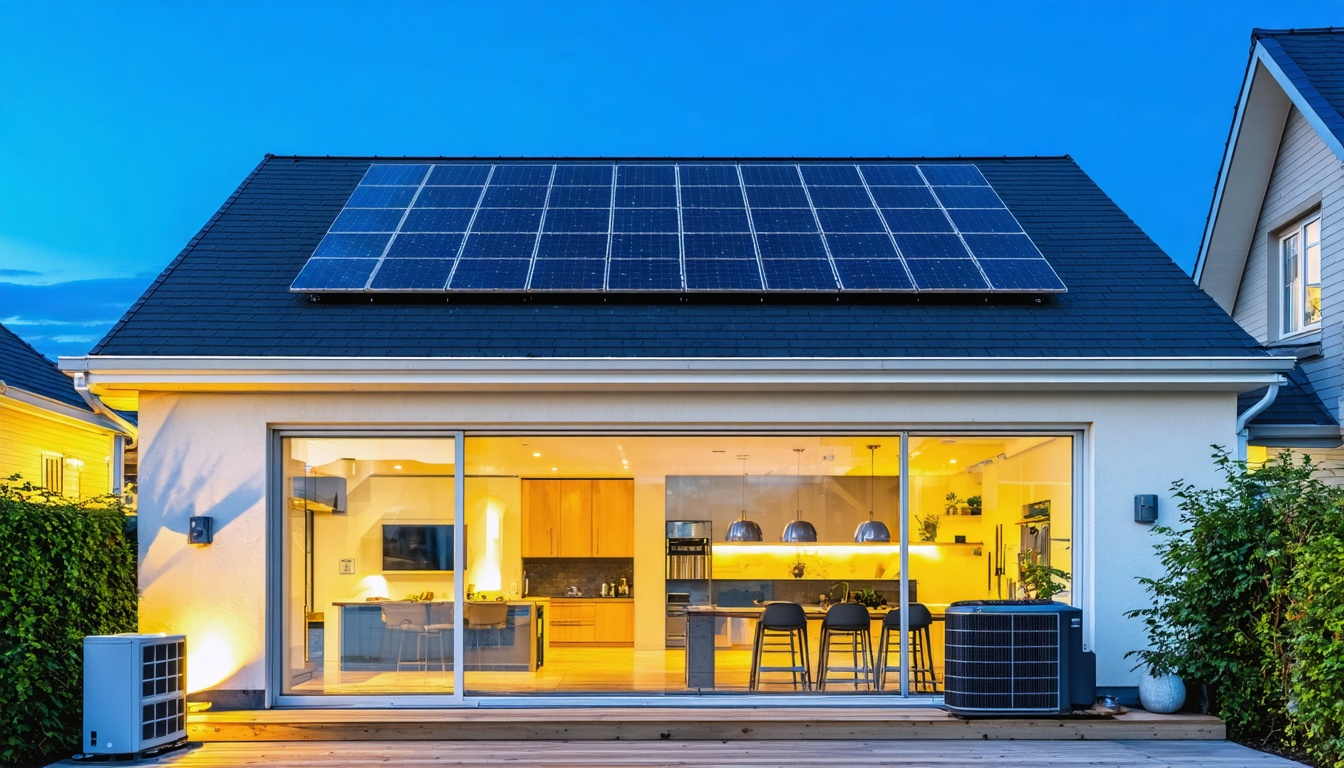
To maximize the effectiveness of a solar power investment, integrating energy efficiency upgrades is essential. Making improvements such as sealing air leaks, upgrading to energy-efficient appliances, and implementing smart home systems can significantly enhance a home's energy performance. These modifications help to reduce energy waste and improve overall comfort levels within the home. Sealing leaks helps to prevent conditioned air from escaping, which can lead to reduced energy consumption for heating and cooling. Additionally, energy-efficient appliances consume less electricity, which not only lowers utility bills but also diminishes the demand on the solar system, allowing the generated power to be used more efficiently. Moreover, incorporating smart home technologies can optimize energy use by allowing homeowners to monitor and manage their energy consumption more effectively. These enhancements not only contribute to cost savings but also permit the solar power system to operate more efficiently by ensuring that energy generation is matched with energy usage patterns. In summary, undertaking energy efficiency improvements alongside solar installation offers a practical approach to enhancing home energy management, leading to a more sustainable and economically viable living environment.
Air leaks and inadequate insulation can significantly impact a home's energy efficiency, leading to increased energy costs due to heightened operation of heating and cooling systems. Addressing these issues through air sealing and improved insulation can reduce energy loss and enhance the effectiveness of solar energy systems, such as those offered by Solar Energy Services in Bridgeport, CT.
In New York, programs such as NYSERDA's Comfort Home provide financial incentives to promote energy efficiency upgrades. Energy assessments are offered to help homeowners identify areas for improvement that can enhance building performance.
For those seeking more economical, do-it-yourself solutions, strategies such as weatherstripping and caulking can serve to effectively reduce air leaks. Engaging with experts or local contractors for guidance on possible improvements is beneficial, as they can offer tailored solutions suitable for various building types, including condos, multifamily dwellings, and commercial properties.
Implementing these measures not only aligns with climate action goals but also contributes to better indoor air quality and supports New York State’s Clean Community Development initiatives.
Upgrading doors and windows plays a crucial role in improving a home's energy efficiency, even in cases where existing insulation meets current standards. Older doors and windows are often less effective at preventing heat loss, which can undermine energy conservation efforts and decrease the efficiency of any solar power systems in place. Adopting energy-efficient options, such as double or triple-pane glass combined with effective air sealing, can significantly reduce heat loss.
Several programs, including those through the New York State Energy Research and Development Authority (NYSERDA), offer funding and resources to guide homeowners in making informed choices about these improvements. Relevant upgrade options may include the installation of storm doors and the application of effective caulking, both of which can enhance indoor air quality.
When evaluating potential upgrades, it is advisable to consider the ratings provided by the National Fenestration Rating Council (NFRC). These ratings offer a reliable basis for assessing the energy performance of different products. Implementing recommended upgrades can result in decreased demands for heating and cooling, thus maximizing the benefits derived from solar energy systems.
Moreover, these enhancements may contribute to broader climate justice initiatives, particularly in disadvantaged communities, by improving overall energy performance.
For home and condominium development professionals, consulting with energy efficiency experts may provide essential insights for effectively integrating these types of upgrades into new or existing projects.
Optimizing lighting can enhance energy efficiency, especially when combined with solar power systems. The adoption of LED bulbs is notable as they offer energy savings of approximately 75% compared to traditional incandescent bulbs. This transition is supported by programs from organizations like NYSERDA and products that meet Energy Star ratings, which aim to promote energy-efficient practices.
The integration of smart lighting solutions and motion sensors in residential buildings can reduce energy consumption, particularly during times of high usage. This adaptation not only lowers utility bills but also aligns with community efforts focused on innovation and sustainability.
Additionally, installing skylights and solar tubes can leverage solar energy more effectively by increasing natural daylight within indoor environments. This reduction in the reliance on artificial lighting can significantly contribute to improved energy efficiency.
For property owners, exploring funding and improvement initiatives focused on efficient lighting systems can be beneficial. Comprehensive reports and available offers provide support for these initiatives.
Moreover, access to expert guidance and training is crucial for new developments, particularly regarding the improvement of indoor air quality in mixed-use high-rise buildings. These considerations are important for achieving effective energy efficiency while maintaining environmental accountability.
Upgrading water heating systems can enhance energy efficiency in residential environments, particularly when paired with renewable energy sources such as solar power. The use of electric heat pump water heaters, which are eligible for support from programs like NYSERDA and NYS Clean Heat funding, has demonstrated a capacity to effectively lower annual energy expenses.
Heat pump water heaters have proven to be more energy-efficient than traditional water heating systems, making them an appealing option for homeowners aiming to reduce their energy consumption. Integrating smart thermostats with these systems can further improve energy management.
Additionally, geothermal water heating solutions can elevate performance across different types of dwellings, including both individual homes and condominiums.
It is beneficial to also implement complementary measures such as enhancing sealing and insulation, as well as installing low-flow fixtures. These strategies are effective in reducing overall energy usage within residences.
Furthermore, utility-supported improvement programs and educational initiatives in the agricultural sector can contribute to broader community strategies that focus on enhancing climate resilience and supporting environmental equity.
This comprehensive approach is likely to foster more sustainable energy practices at both individual and community levels, contributing to long-term energy conservation goals.
When selecting cooking appliances, efficiency and sustainability are critical factors, as they significantly influence a household's energy consumption.
Induction cooking is noted for its rapid heating capabilities while consuming less energy than conventional cooking methods. This is particularly advantageous for buildings powered by solar energy and for renovations of condominiums.
Upgrading to Energy Star® certified appliances, such as heat pump water heaters, is compatible with several initiatives endorsed by the New York State Energy Research and Development Authority (NYSERDA).
These initiatives focus on promoting community mobility, encouraging innovation, and addressing climate justice, thus contributing to larger environmental targets.
Efficient cooking appliances are effective in decreasing energy demand and enhancing the performance of solar energy systems.
Their incorporation with other energy-efficient measures, including air sealing and improvements in heating and cooling, supports the electrification of infrastructure.
For targeted advice, it is advisable to consult professional resources that offer guidance on enhancing indoor air quality, managing operations effectively, and optimizing the functionality of multifamily commercial spaces.
Investing in low-flow bathroom fixtures presents a viable option for households that wish to conserve water and manage energy costs effectively. The adoption of WaterSense labeled products, which encompass showerheads, faucets, and toilets, is associated with a notable reduction in water usage. This reduction not only conserves water but also diminishes energy expenses linked to the heating of water.
Programs offered by the New York State Energy Research and Development Authority (NYSERDA) support various initiatives aimed at improving water efficiency in residential and commercial settings, including condominiums and multifamily buildings. These programs provide technical guidance, funding opportunities, and resources tailored to assist communities, especially those underserved, in maximizing the advantages of water-saving upgrades.
Moreover, efficient water management aligns with broader energy-saving strategies, such as the implementation of solar energy systems, and can positively impact indoor air quality and the overall performance of buildings.
Stakeholders interested in pursuing these improvements may find useful information and direction through resources available from New York State Clean.
Adopting clean heating and cooling technologies can enhance the efficiency of solar power systems. The New York State Energy Research and Development Authority (NYSERDA) offers various programs and funding opportunities for the installation of air source and ground source heat pumps. These systems operate independently of fossil fuels, which can lead to reduced energy costs for residential homes, condominiums, and multifamily commercial buildings.
Implementing emission-free heating options can also improve indoor air quality. The NYS Clean Heat rebate program provides financial assistance to help offset the installation costs of these systems. To maximize efficiency, complementing heat pump installations with infrastructure enhancements, such as air sealing and insulation, is advisable.
NYSERDA additionally provides access to expert consultations, practical guidelines, and analytical reports which facilitate advances in clean energy technologies. The organization has initiatives aimed at supporting underserved communities and promoting careers in green industries, which contribute to broader efforts in clean transportation and building performance benchmarking.
In summary, the integration of clean heating and cooling solutions reflects ongoing trends towards sustainable energy practices and can yield tangible benefits for individual structures as well as for environmental outcomes.
The incorporation of solar and renewable energy technologies offers homeowners viable options to reduce utility costs and improve energy resilience. The New York State Energy Research and Development Authority (NYSERDA) provides various programs that facilitate funding, expert consultation, and training for home improvements, such as the installation of solar panels and the integration of air-source heating and cooling systems.
Community solar initiatives aim to increase access to renewable energy sources for condominium residents and underserved communities, promoting energy equity while potentially yielding economic benefits. When solar energy systems are integrated with battery storage solutions and energy-efficient appliances, they can enhance savings over time by optimizing consumption patterns.
Other methods to increase energy efficiency include benchmarking building performance, implementing air sealing techniques, and adopting advanced technologies such as induction cooking and geothermal water heating. Upgrading doors and windows also plays a significant role in improving a building's thermal efficiency.
Homeowners may also benefit from tax credits and state policies aimed at encouraging the electrification of infrastructure and the adoption of clean transportation alternatives. Such measures contribute to the overall reduction of energy consumption and support a more sustainable living environment.
Implementing home energy efficiency improvements in conjunction with a solar power system can lead to enhanced overall energy performance. Key measures include sealing and insulating the home to prevent energy loss, upgrading to energy-efficient windows, and selecting appliances that meet high efficiency standards. These actions collectively contribute to minimizing energy waste. Additionally, optimizing systems for water heating, lighting, and heating, ventilation, and air conditioning (HVAC) can result in a more comfortable living environment while simultaneously reducing energy costs. The integration of smart technology allows for better energy management, enabling homeowners to monitor and control their energy usage more effectively. Positioning these elements together with renewable energy sources, such as solar panels, can yield long-term economic benefits. Each measure contributes toward achieving improved energy efficiency, which can lead to reduced utility bills and a smaller carbon footprint. This systematic approach underscores the importance of coordinated energy improvements in residential settings.